Product Description
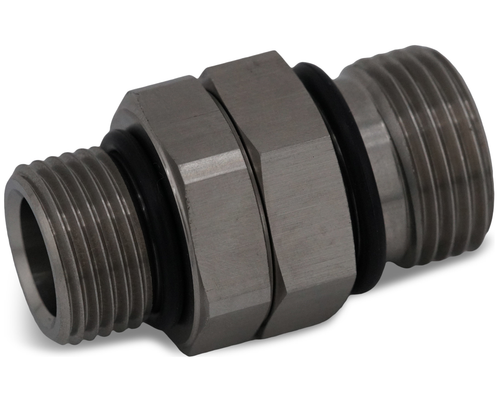
The JBtuned Adjustable Stainless Steel ORB-to-ORB Fuel Rail / Regulator Adapter directly connects two compatible fuel-system components with female O-ring-sealed ports.
It is especially useful for mounting a fuel pressure regulator directly to a fuel rail, eliminating the short hose assembly and additional fittings normally required between the two components.
The adjustable center locking section allows the connected component to be rotated into the required position before being secured, while the stainless-steel construction provides a strong, compact connection for performance fuel-system applications.
Quick Specifications
- Product Type: Adjustable direct-mount fuel-system adapter
- Material: Stainless steel
- Connections: Male O-ring-sealed ports on both ends
- Adjustment: Center locking section allows component clocking
- Primary Use: Fuel rail-to-regulator and component-to-component connections
- Common Components: Fuel rails, fuel pressure regulators, filters, pumps, and distribution components
- Quantity: Sold individually
Direct-Mount a Fuel Pressure Regulator to a Fuel Rail
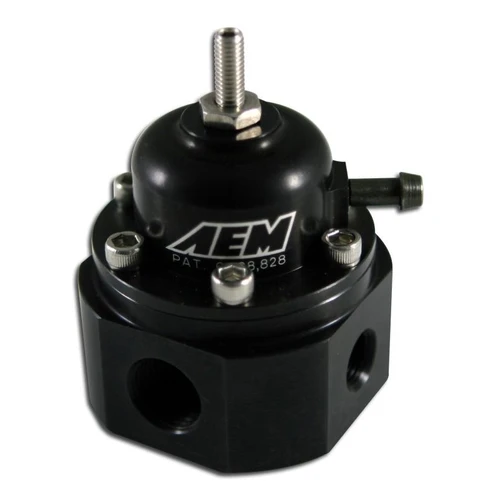
One of the most common uses for this fitting is connecting a compatible fuel pressure regulator directly to an aftermarket fuel rail.
A conventional remote-regulator arrangement may require:
- An adapter fitting at the fuel rail
- An adapter fitting at the regulator
- A separate fuel hose assembly between the two components
When the rail and regulator use compatible ports, the JBtuned adjustable adapter can replace those additional parts with one compact connection.
The result is fewer fittings, fewer connection points, less unnecessary hose, and a cleaner fuel-system layout.
Adjustable for Proper Component Positioning
Threading two components together directly can leave the regulator or other attached component facing the wrong direction when the connection becomes tight.
The JBtuned adapter uses an adjustable center locking section so the connected component can be rotated into the desired position and then secured.
This is particularly useful with fuel pressure regulators because the return connection, pressure adjustment, vacuum / boost reference, gauge or sensor port, and surrounding plumbing may all need to remain accessible after installation.
Works with Compatible Fuel Rails & Regulators
This fitting is designed around the fuel rail and fuel pressure regulator segment as a whole rather than one specific brand or model.
JBtuned carries a growing selection of aftermarket fuel rails and fuel pressure regulators for different engines, applications, and fuel-system layouts.
Select the rail and regulator that suit the application, then choose the JBtuned adapter size that matches the ports on the two components being connected.
More Than a Fuel Rail / Regulator Adapter
Although direct fuel rail-to-regulator mounting is one of its most useful applications, this is a universal fuel-system component.
Possible direct-mount applications include:
- Fuel pressure regulator to fuel rail
- Fuel filter to another compatible fuel-system component
- Fuel pump or pump assembly to another compatible component
- Fuel distribution components
- Custom direct-mounted fuel-system assemblies
The components being connected must use compatible port sizes, have adequate physical clearance, and be suitable for a direct-mounted arrangement.
Why Stainless Steel?
A direct component-to-component adapter can carry more mechanical load than a fitting used only to connect flexible hose.
A directly mounted regulator, filter, or other component can transfer its weight and vibration through the fitting and into the neighboring component.
JBtuned uses stainless steel for this adapter to provide greater strength than a comparable aluminum fitting while also providing excellent corrosion resistance in automotive fuel-system environments.
O-Ring Sealed Connections
Both ends of the adapter seal with O-rings against the corresponding component sealing surfaces. The threads themselves do not create the fuel seal.
In performance fuel systems, these port sizes are commonly identified by familiar AN sizing such as -6AN, -8AN, and other AN-size port configurations. Select the adapter according to the port size used by each component.
Because these connections seal with an O-ring, thread sealant should not be applied to the adapter threads.
ORB vs. AN 37-Degree Flare
This adapter uses O-ring-sealed connections. It is not a conventional male-to-male AN flare union.
- O-ring-sealed port: Seals with an O-ring against the component
- AN flare connection: Seals metal-to-metal at a 37-degree flare
The thread size may appear similar, but the sealing method is different. Choose the fitting according to the actual port configuration on the fuel rail, regulator, or other component.
Need to Connect the Port to AN Hose Instead?
A direct component-to-component connection is not always the best layout.
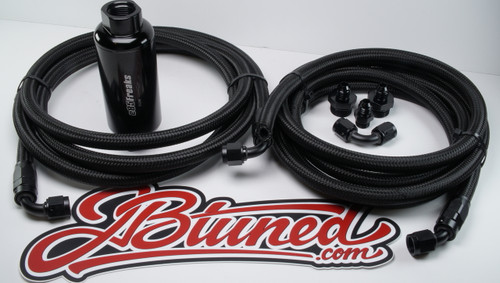
If the fuel rail, regulator, filter, pump, or other component needs to connect to conventional AN hose instead, JBtuned also offers O-Ring Boss to AN adapter fittings for a range of fuel-system plumbing configurations.
This allows you to choose between a compact direct-mounted arrangement and a conventional hose connection based on the actual component placement and fuel-system layout.
Select the Correct Adapter Size
The correct adapter depends on the ports used by both components being connected.
Select the size option that matches the AN-size port configuration on each component. Do not assume that every fuel rail, regulator, filter, or pump uses the same connection size.
If you are unsure which adapter is required, contact JBtuned with the manufacturer and part number of the two components you are trying to connect.
What Is Included?
- One JBtuned adjustable stainless-steel ORB-to-ORB adapter assembly
- Required sealing O-rings
Fuel rail, fuel pressure regulator, fuel lines, and other fuel-system components are sold separately.
Installation Notes
Inspect both component sealing surfaces and the adapter O-rings before assembly.
Install the connected components, rotate the adjustable section until the component is positioned correctly, and securely lock the assembly into its final position.
Make sure the connected components have adequate clearance. Larger or vibration-prone components may require additional mounting or support rather than relying on the adapter as their only structural support.
After installation, pressurize the fuel system and carefully inspect both connections for leaks before starting or operating the engine.