
Product Description
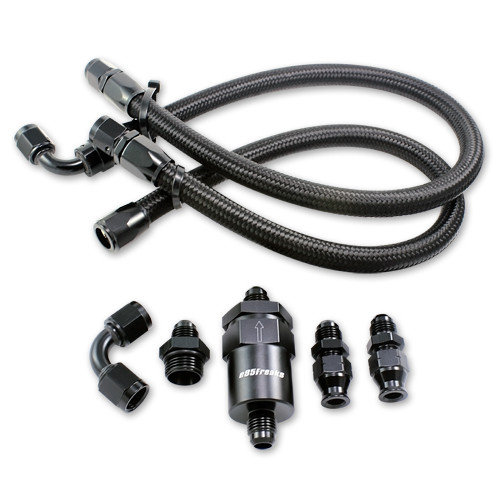
Level 1 - 2002-2005 Honda Civic Si EP3 Tucked Fuel Feed Line Kit
The JBtuned Level 1 EP3 Civic Si Fuel System is the simplest way to upgrade the engine-bay fuel feed while retaining the vehicle's factory chassis fuel system.
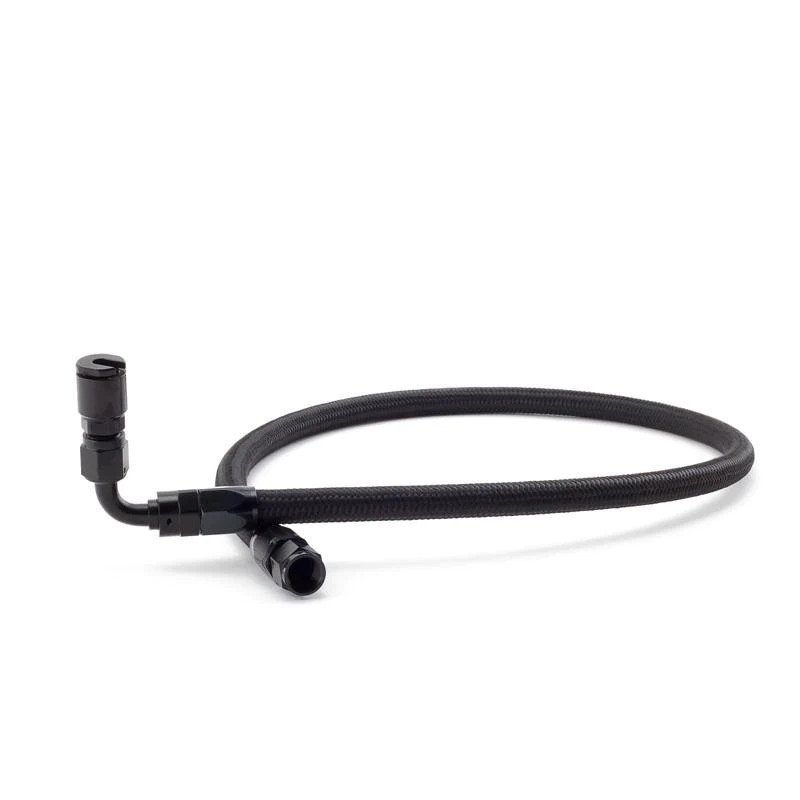
This kit replaces the engine-bay fuel-feed connection with a 6AN JBtuned 350 Series PTFE fuel line running from the OEM chassis fuel line to a compatible aftermarket K-Series fuel rail. The factory chassis fuel supply and in-tank fuel-filter arrangement remain in place.
Level 1 is intended for builds that need a cleaner, upgraded engine-bay fuel feed without converting the car to a dedicated aftermarket feed-and-return fuel system.
EP3 Level 1 Fuel System Specifications
- Vehicle Fitment: 2002-2005 Honda Civic Si - EP3 chassis
- System Level: Level 1 - Engine-Bay Feed Upgrade
- Line Size: 6AN
- Hose: JBtuned 350 Series PTFE fuel hose
- Fuel Compatibility: Pump gasoline, E85 / ethanol and compatible race fuels
- Chassis Connection: JBtuned anodized-aluminum quick-connect adapter for the OEM fuel line
- Fuel Rail: Compatible aftermarket K-Series fuel rail required
- Factory Chassis Fuel Supply: Retained
- Factory In-Tank Filter Arrangement: Retained
- Return Line: Not added by this kit
- Finish: Black hose and fittings
What Level 1 Replaces
Level 1 upgrades the engine-bay portion of the fuel feed while leaving the original chassis fuel supply in place.
The JBtuned PTFE feed line connects the factory chassis fuel line to a compatible aftermarket K-Series fuel rail. The factory chassis plumbing, in-tank fuel-filter arrangement and the rest of the OEM fuel supply remain in use.
This kit does not add a dedicated return line and does not replace the complete fuel plumbing from the tank forward.
350 Series PTFE Fuel Hose
The EP3 Level 1 Fuel System uses JBtuned 350 Series PTFE hose with a PTFE liner, stainless reinforcement and black nylon outer braid.
350 Series PTFE hose is suitable for conventional pump gasoline, E85 / ethanol and compatible race fuels.
Using PTFE fuel hose does not mean the vehicle has to run E85, and PTFE plumbing alone does not make the vehicle a flex-fuel system.
If a sensor-based flex-fuel strategy is being used, ethanol-content sensing, wiring, compatible ECU strategy, configuration and tuning are separate parts of the engine-management system.
Aftermarket K-Series Fuel Rail Required
This kit is designed to connect the factory EP3 chassis fuel supply to a compatible aftermarket K-Series fuel rail.
It is not intended to connect directly to the original EP3 fuel-rail configuration.
The fuel-rail adapter is not included because aftermarket fuel rails use different port and connection configurations. Make sure the selected fuel rail has the appropriate hardware for a 6AN feed connection before installation.
Tucked Engine-Bay Fuel-Line Routing
The JBtuned Level 1 feed line is designed to provide routing flexibility for a cleaner, more tucked engine-bay fuel-line installation.
Final routing will depend on the intake manifold, fuel rail, engine mounts, turbo or exhaust configuration and other components installed in the engine bay.
Keep the fuel line as far away as practical from the exhaust manifold, turbocharger, downpipe and other high-temperature components. Additional heat protection may be appropriate on modified or turbocharged applications.
JBtuned EP3 Fuel System Levels
Level 1 - Engine-Bay Feed Upgrade: Retains the factory chassis fuel supply and factory filter arrangement while replacing the engine-bay feed with 6AN PTFE plumbing to a compatible aftermarket K-Series fuel rail.
Level 4 - Complete Fuel System: Replaces the factory chassis fuel plumbing with a dedicated aftermarket feed-and-return system from the tank to the engine and back.
View the JBtuned 2002-2005 Civic Si EP3 Complete Fuel System
Which EP3 Fuel System Do I Need?
Choose Level 1 if you want to upgrade the engine-bay fuel feed while continuing to use the factory chassis fuel supply.
Choose the Level 4 Complete Fuel System when the goal is to replace the factory chassis plumbing entirely and install a dedicated aftermarket feed-and-return system.
Installation Notes
After installation, pressurize the fuel system and carefully inspect every connection for leaks before starting or operating the vehicle.
Changes to fuel type, fuel pressure, injectors, fuel pump or other engine-management components may require appropriate ECU configuration and tuning.
Professional installation and tuning are recommended where applicable.